
Childcare and schooling
This section provides essential information for migrant workers moving to Vestfold with family and children, from kindergarten to school.

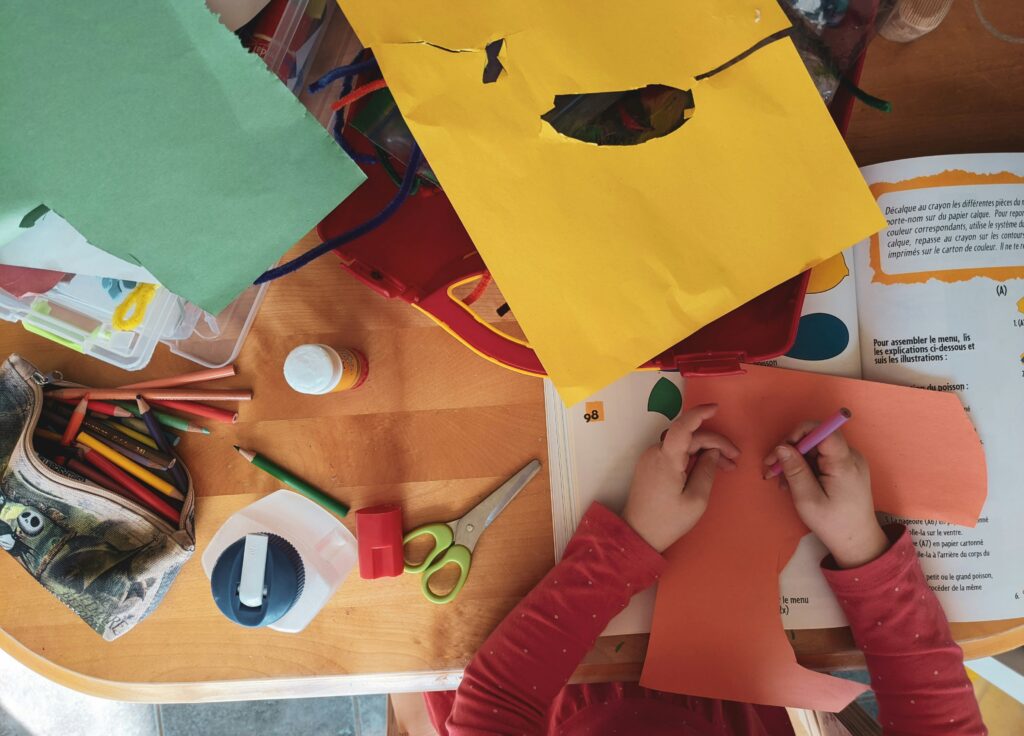
Kindergarten/Preschool (Barnehage)
An overview of the Norwegian kindergarten system, subsidized costs, and how to apply.In Norway, kindergartens are not just childcare. They are an important part of early education; focusing on play, social development, and a safe environment for children to grow and develop.
All children have the right to a place in kindergarten from age one. The cost is low because the government subsidizes it. The children spend a lot of time outdoors and the goal is for every child to feel included and cared for. In Norway, kindergarten follows an educational plan for the children’s development based on researched pedagogy and childhood development
Norwegian kindergartens are multicultural environments. Children with other native languages receive support to learn Norwegian, and parents often get information in multiple languages.
Your child must be living in Norway and registered in the National Registry (Folkeregisteret) for your child to get spot. Children are only entitled to a kindergarten place in the municipalitywhere they live.
If you are staying temporarily in Norway, you can still ask the municipality and/or private kindergartens directly about available places. Some municipalities also have Open kindergartens (Åpen barnehage). This is a drop‑in play and learning space for children aged 0–6 who come with a parent. You stay together with your child, join activities, meet other families, and come whenever it suits you—usually without registering. It is often free and run by qualified staff.
Types: There are two types of kindergartens, public and private with prices regulated by the government. * I would say there are 3 types as you just mentioned the open kindergarten above.
How to Apply: Most municipalities have an application deadline of 1st March for the main admission round.
For more information, go to the website of your local municipality and apply through your municipality’s electronic application portal (one shared system for public and most private kindergartens).

Primary, lower and upper secondary school
"Information about the transition to upper secondary education, including the choice between vocational trades and academic pathwaysPrimary, lower and upper secondary school and higher education
Norway’s education system is built on equality, inclusion and accessibility. School is compulsory from age 6 to 16 and is designed so that all children, regardless of background, receive a high-quality, free education.
Primary School (Grades 1–7, ages 6–13) focuses on basic skills: reading, writing, maths, social studies. Teaching often includes practical work and play, especially in the early years.
Lower Secondary School (Grades 8–10, ages 13–16): Subjects become more specialized and grades are introduced and count toward admission to upper secondary school.
How to Enroll: Once you are registered as a resident, your child will automatically be assigned to the local school in your area.
Upper Secondary School (Ages 16–19): Not compulsory but strongly encouraged. There are two tracks in upper secondary school: an academic track and a vocational track. Upper secondary education is free and widely accessible. All young people who finish lower secondary school have a legal right to upper secondary education.
How to Enroll: You submit your application through the county’s digital admission system, VIGO (the national system used by counties). The application deadline is 1st. March.
If you don’t have a Norwegian ID or BankId yet, you can still apply. Contact the county council’s admission office.
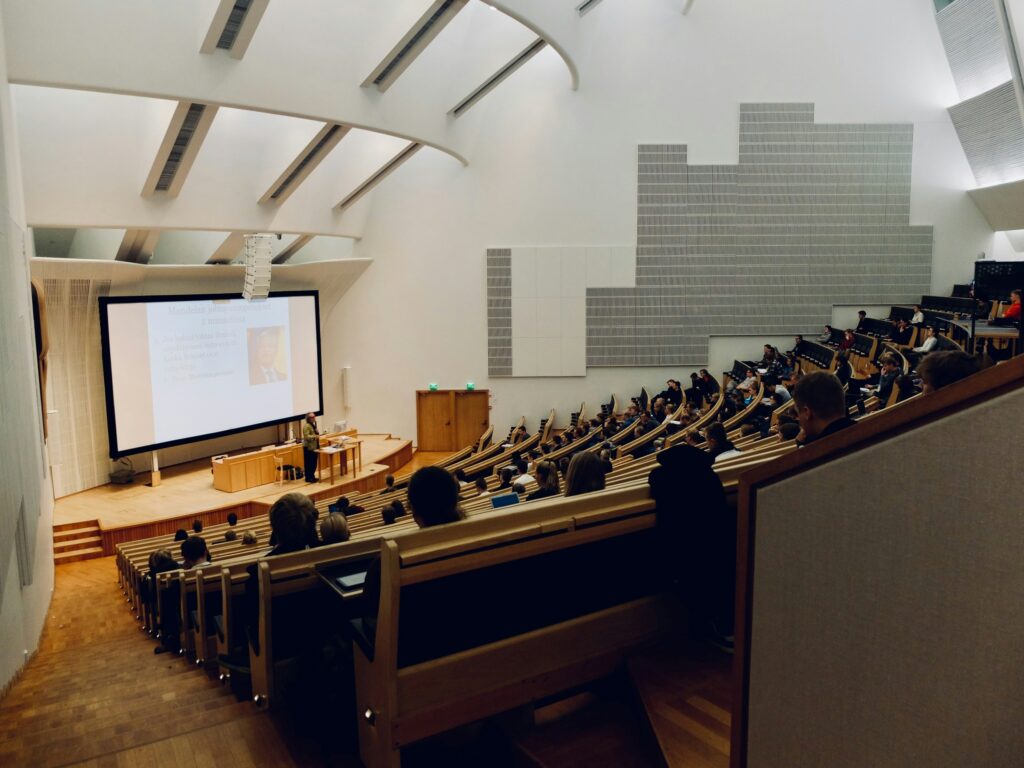
Higher education
"A guide to universities and colleges in Norway, covering admission requirements, tuition-free options, and the application process.Higher Education (Universities & Colleges): Norway follows the Bologna model: 3-year Bachelor → 2-year Master → 3-year PhD. Most universities are public with no tuition fees for residents and EU/EEA students; some fees may apply to non-EU students. There is a university in Vestfold as well, which is in within commuting distance for all towns in Vestfold.
In Norway, universities offer shorter study options such as single courses and continuing education programs. You don’t have to enroll for a full degree, in fact you can take individual courses for professional development or personal interest. For more information on the educational system, visit Utdanningssystemet | Utdanning.no
Resources:
Your local Vestfold municipality website.